We used to measure progress by how much labor we could throw at a problem.
Today, the game has changed. It’s no longer about doing more work — it’s about understanding why the work is needed at all, and how to eliminate it.
That’s the shift intelligent hardware is enabling. And it’s happening faster than most people realize.
From Tools to Sensors
Traditional service work — cleaning buildings, inspecting infrastructure, maintaining solar — has always relied on manual tools and human effort. These tools were functional, but blind. They got the job done but didn’t teach us anything.
Intelligent hardware changes that. It doesn’t just do the task — it observes, learns, and feeds insights back into the system.
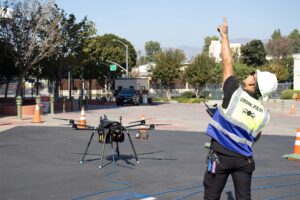
At ExteriorOps, our intelligent hardware cleans multi-story buildings faster and safer than legacy methods. But more importantly, they:
- Identify flawed access points
- Reveal recurring patterns in grime buildup
- Track water usage by surface and season
These aren’t just performance metrics — they’re diagnostic signals. We’re not just removing friction. We’re seeing where it originates.
The Real ROI: Operational Insight
Intelligent hardware turns every task into a learning opportunity. Over time, we’re building a live feedback loop across our entire operation:
- Flight patterns reveal design inefficiencies
- Heat mapping of solar arrays flags failing panels early
- AI models trained on operational footage improve human decision-making
This moves us from cost reduction to strategic optimization. Insight, not labor, becomes the force multiplier.
What Comes Next
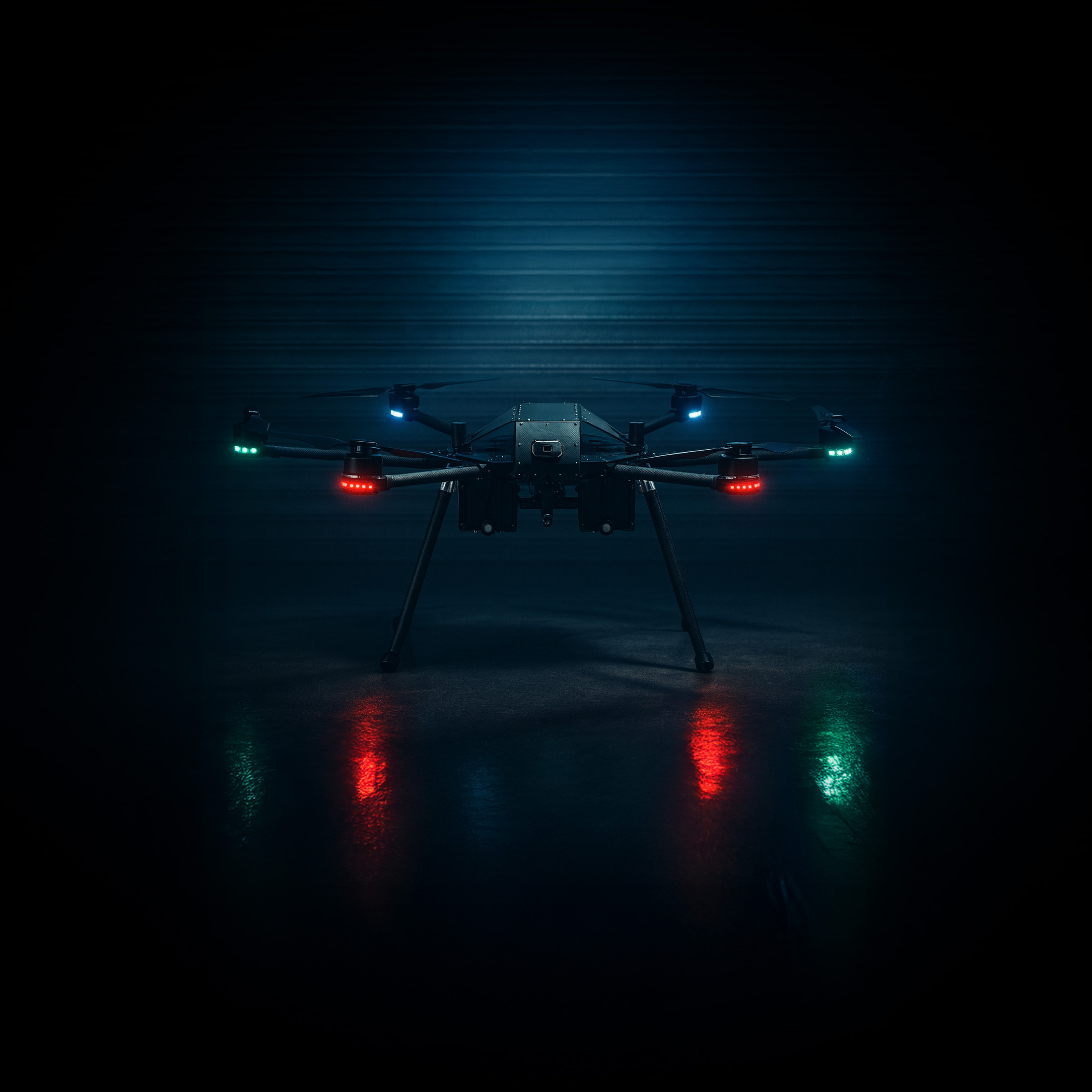
We see intelligent hardware as the next operating system of the built environment — one that fuses automation with awareness. Drones, sensors, and software will work in concert to make the physical world more adaptive, predictable, and efficient.
If you’re still measuring your business in man-hours, you’re missing the bigger opportunity.
The future belongs to those who see the system, not just the task.
Let’s talk if you’re building in this space or looking to scale service work with intelligence at the edge.
If you’re building intelligent systems to eliminate friction in the physical world, I’d love to connect.
And if you operate physical assets — buildings, solar, infrastructure — and want smarter, faster, safer ways to manage them, we should talk.