In frontier tech, the spotlight usually lands on the finished product — the sleek drone, the polished robot, the high-production demo.
But the companies that win don’t start at the surface. They start with the engine.
They build the invisible layer of autonomy, control, and workflow that everything else relies on.
The Pattern Behind the Real Success Stories
Every major frontier tech winner succeeded by mastering the foundational layer first:
- Tesla didn’t win on cars — they won on battery and powertrain mastery.
- DJI didn’t win on airframes — they won on flight control and positioning.
- Axon didn’t win on hardware — they won on workflow software + network effects.
Each found the core enabling technology — the thing others depend on — and only then built up.
The platform comes after. The platform is only possible because of the engine.
Our Own Evolution: Earn the Engine, Then Scale It
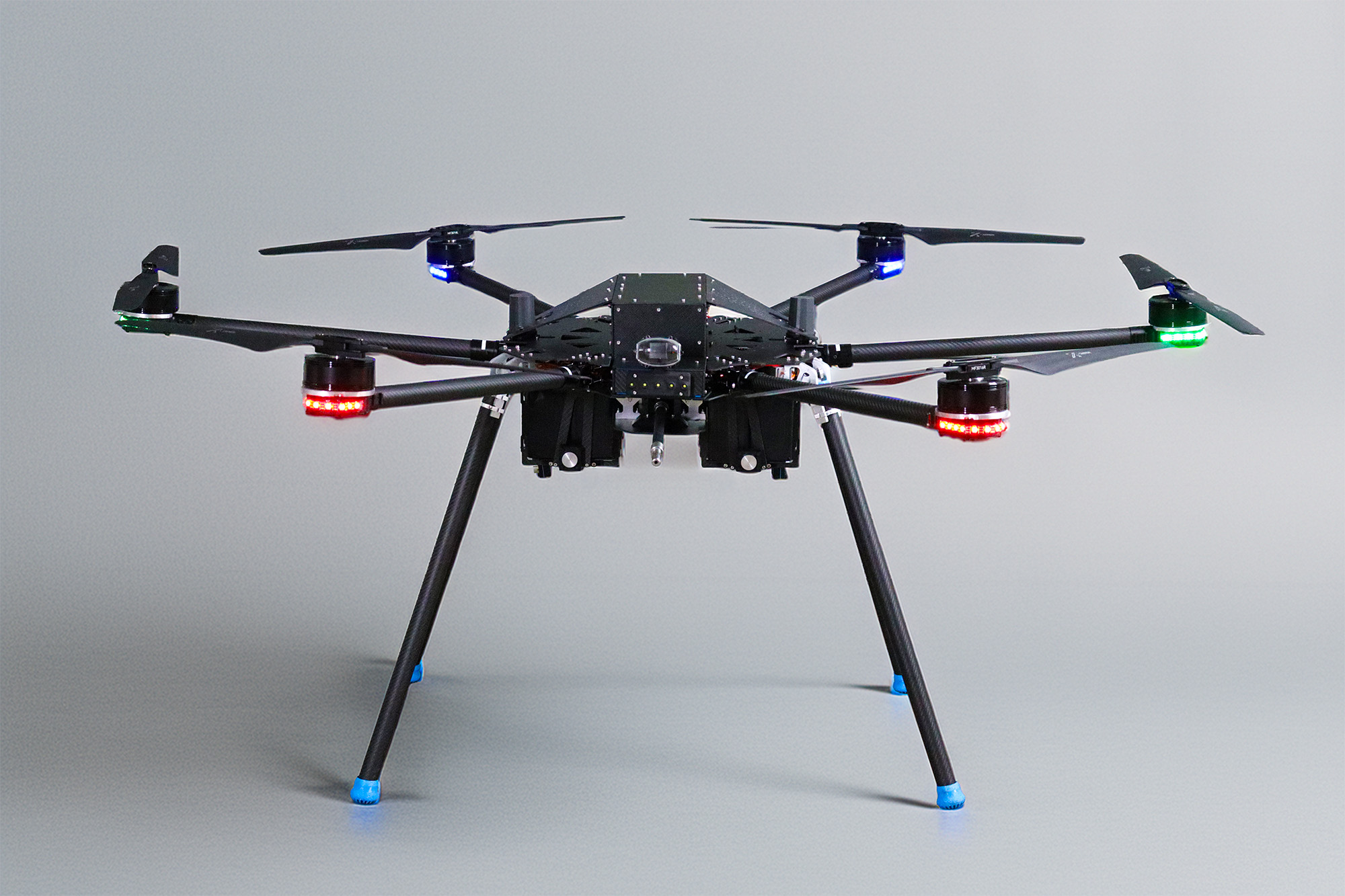
At Advanced Drone Solutions, we began in the field — cleaning buildings with contractors. That reality shaped the Stratos Drone, a commercial tool built to solve a real operational pain.
Revenue-first learning. No hypotheticals. No laboratory illusions.
Those cycles of deployment revealed a deeper truth:
The real barrier to scale wasn’t spraying water — it was staying spatially reliable when GPS and compass fail.
Urban canyons. Steel. Reflective glass. Any autonomy stack can fly when the sky is perfect. But real-world infrastructure isn’t perfect.
So our question changed:
What if the autonomy layer itself is the product?
That drove the evolution toward what we now call NavDome — technology built to keep drones and intelligent hardware operating when traditional navigation breaks down.
Stratos validated the job. NavDome unlocks the ecosystem.
The Founder + Investor View
As an investor in hard-tech autonomy, I’ve seen what happens when teams reverse the order:
Beautiful prototype. Huge vision. Weak foundation.
They launch fast — then stall.
Momentum without reliability doesn’t scale. In physical automation, the moat is the control layer, not the industrial design.
The Hard-Tech Advantage
The winners of this next wave will be:
• Enablers, not imitators • Focused, not full-stack for ego’s sake • Built around edge-case reliability, not perfect-condition demos
Robotics is leaving the hype cycle and entering deployment season. What matters now is real-world operational truth.
If you’re building the hidden engines of automation — let’s connect
The future of intelligent hardware is already here. Most of it is still invisible.